
Introduction
The consumption of bottled water has significantly increased over the past few decades, becoming a staple in the lives of many individuals around the world. While the convenience of bottled water is undeniable, its reliance has raised concerns regarding the environmental impact of plastic waste and resource depletion. Each year, millions of tons of plastic bottles are discarded, with only a fraction being recycled. The pressing issue of plastic pollution not only affects our ecosystems but also poses a threat to the health of future generations.
As awareness of these environmental challenges escalates, there is a growing dialogue surrounding sustainable practices in everyday consumption. Consumers are beginning to acknowledge the importance of making informed choices that contribute to environmental preservation. Thus, the necessity for clean drinking water is coming under scrutiny, emphasizing the need for alternatives that do not compromise the environment.
Water filters emerge as a viable option, offering a sustainable solution to the current bottled water dilemma. By utilizing a water filtration system, individuals can enjoy clean and safe drinking water without the environmental burden associated with plastic bottles. These systems are designed to improve the quality of tap water, providing a cost-effective and eco-friendly alternative to purchasing bottled water. As more people become conscious of the ecological effects of their choices, water filters are gaining recognition as a practical solution for not only protecting the environment but also ensuring access to safe drinking water.
In this blog post, we will delve into the various benefits of using water filters, highlighting their role in promoting sustainable practices and supporting the need for clean drinking water in households across the globe.
The Environmental Impact of Bottled Water
The reliance on bottled water has escalated over the years, leading to significant environmental concerns. The production and disposal of plastic water bottles contribute greatly to plastic pollution, one of the most pressing issues facing our planet today. According to the Container Recycling Institute, approximately 1,500 plastic water bottles are consumed every second in the United States alone. This staggering consumption results in an estimated 38 billion plastic water bottles being discarded annually, many of which end up in landfills or polluting our oceans.
Furthermore, the production process for bottled water is resource-intensive. The manufacturing of plastic bottles is responsible for substantial carbon emissions, with estimates suggesting that producing 1 metric ton of PET plastic results in 3.8 metric tons of carbon dioxide emissions. The Pacific Institute notes that bottled water has a carbon footprint that is up to 2,000 times larger per liter than tap water. This is primarily due to the energy required for extraction, production, and transportation.
In addition to the environmental toll from plastic waste and carbon emissions, the extraction of water for bottling often depletes local water sources. Communities near bottling plants frequently face water shortages as their groundwater supplies are drained for commercial purposes. For example, reports have highlighted that companies extract millions of gallons of water from aquifers in regions already facing water scarcity, exacerbating local communities’ struggles with access to clean water.
The environmental impact of bottled water is multifaceted, affecting everything from wildlife to local communities and their ecosystems. As consumers become more aware of these issues, the importance of sustainable alternatives, such as water filters, becomes increasingly evident.
Health Risks of Bottled Water
The health risks associated with bottled water are growing concerns that merit attention and analysis. One primary issue is the potential leaching of harmful chemicals from the plastic containers into the water. Chemicals such as bisphenol A (BPA), which is commonly used in the production of many plastics, can seep into bottled water, especially when exposed to heat or prolonged periods of storage. Studies indicate that BPA has been linked to various health problems, including hormonal disruptions and increased risks of certain cancers.
Moreover, bottled water is sometimes marketed as being purer or healthier than tap water. However, what many consumers overlook is that bottled water often lacks essential minerals that are naturally present in filtered tap water. Minerals like calcium and magnesium, vital for maintaining healthy bodily functions, can be significantly reduced or non-existent in bottled water. As a result, relying predominantly on bottled water instead of filtering tap water can lead to nutritional imbalances over time.
Additionally, frequent consumption of bottled water contributes to environmental issues, which in turn can affect public health. Proper disposal methods for plastic bottles are crucial; however, a significant percentage ends up in landfills or oceans, resulting in environmental degradation that can indirectly influence food and water sources. Furthermore, the production and transportation of bottled water far exceed the carbon footprint associated with efficient water filtration systems.
Overall, the health risks from drinking bottled water are multidimensional, encompassing both direct consequences from chemical exposure and indirect effects from mineral deficiencies and environmental concerns. Transitioning to a water filtration system can mitigate these risks, offering a healthier alternative while promoting sustainable practices.
Types of Water Filters
Water filters are essential tools for ensuring the purity and safety of drinking water. Among the various types of water filters available, three of the most common are carbon filters, reverse osmosis systems, and ultraviolet (UV) light purification. Each of these filtration methods offers unique mechanisms and benefits, as well as certain limitations.
Carbon filters, particularly activated carbon filters, operate through a process known as adsorption. They effectively remove chlorine, volatile organic compounds (VOCs), and sediment from the water, improving taste and odor. These filters are beneficial for their affordability and ease of use, often available as pitcher filters or faucet attachments. However, while they excel at removing certain contaminants, they may not eliminate heavier metals, bacteria, or viruses.
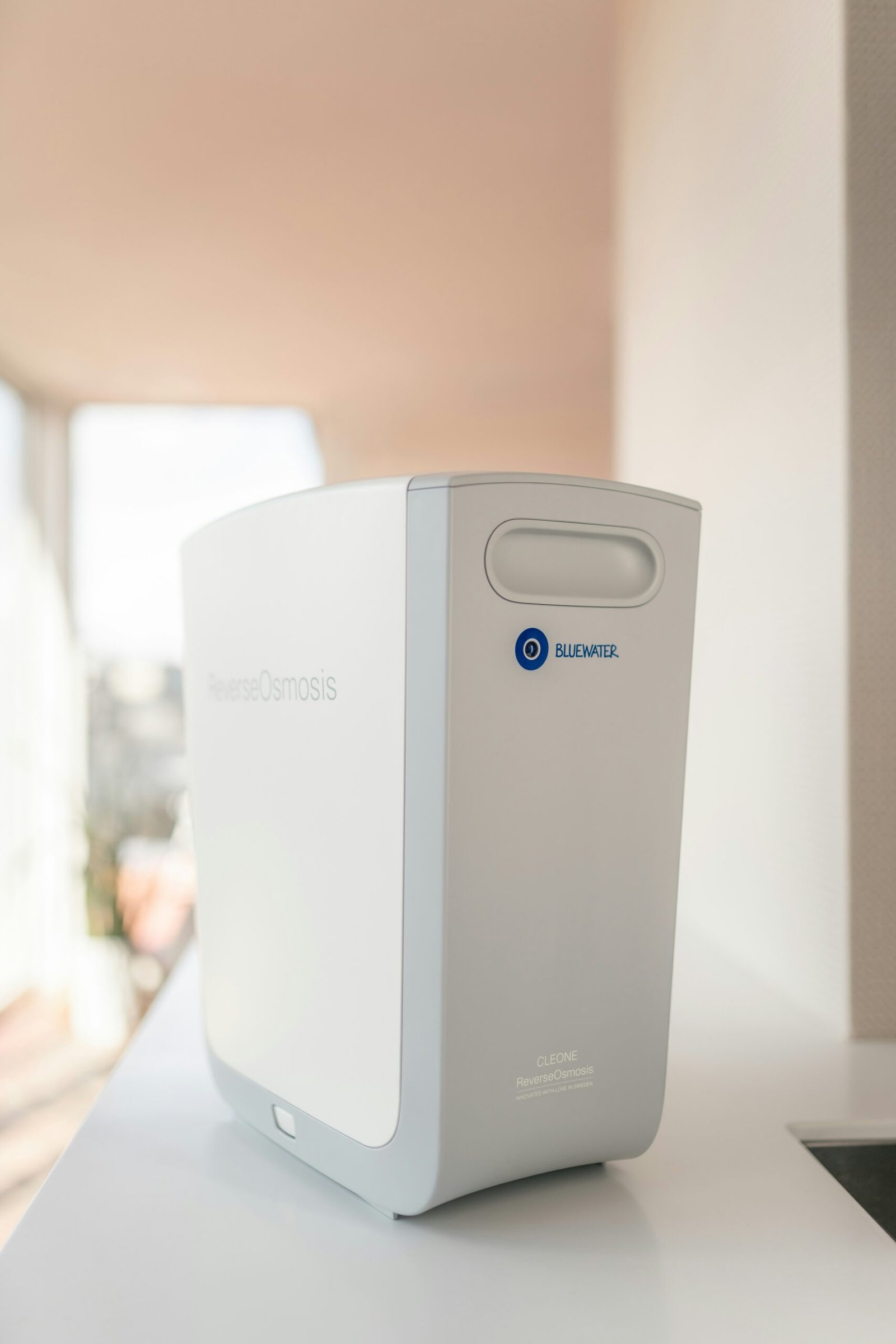
Reverse osmosis systems operate on a different principle, utilizing a semipermeable membrane to separate contaminants from water. This method is highly effective in removing a wide array of impurities, including heavy metals, salts, and some microorganisms. Reverse osmosis systems are often installed under the sink and can provide purified drinking water directly. However, they do have drawbacks, such as higher costs and the necessity of regular maintenance to ensure optimal performance.
Ultraviolet light purification is another innovative technology that uses UV light to disinfect water. This method works by exposing water to UV radiation, which effectively inactivates bacteria, viruses, and other pathogens without the use of chemicals. UV purification systems are potent for producing microbiologically safe water, but they do not remove chemical pollutants or sediments. Additionally, it requires electricity to function, which may not be accessible in all situations.
In summary, choosing the right type of water filter depends on individual needs, including the specific contaminants present in the source water and personal preferences for maintenance and installation. Understanding the strengths and limitations of each filter type empowers individuals to make informed decisions about their water purification options.
Benefits of Using Water Filters
In recent years, the use of water filters has surged in popularity as a preferred alternative to bottled water. One of the primary advantages of using water filters is the significant cost savings they offer. Purchasing bottled water can be a recurring expense that adds up over time, especially for households that consume large quantities of water. In contrast, investing in a filtration system can provide an endless supply of clean water for a fraction of the cost, thereby reducing monthly expenses.
Another important benefit is the improvement in taste and odor that can be achieved through filtration. Many individuals find that municipal tap water can have an unpleasant taste or smell due to the presence of chlorine or other additives. Utilizing a water filter can effectively remove these contaminants, thus enhancing the overall water quality and making it more enjoyable to drink.
Convenience is another key aspect of water filters. Unlike bottled water, which requires constant trips to the store for purchase, a filtration system can be installed directly at home or on the kitchen faucet. This not only saves time but also ensures that fresh water is always readily available without the need for excessive plastic waste associated with bottled water.
Moreover, many water filters come with customizable filtration options, allowing users to tailor their filtration system to meet specific needs and preferences. For instance, some filters can focus on removing heavy metals, while others may target sediment or specific contaminants. This adaptability ensures that individuals can enjoy the best possible water quality tailored to their unique circumstances.
How to Choose the Right Water Filter
Choosing the right water filter is essential to ensure that the water you consume is clean, safe, and free from contaminants. Several factors should be considered when selecting a water filter that best fits your needs. Firstly, assess the size of your household. A larger family may require a more powerful system capable of filtering a greater volume of water quickly. In contrast, an individual or a small household might find a compact unit sufficient.
Next, it is crucial to identify the specific contaminants present in your water supply. Conducting a water quality test will provide insights into harmful substances that may be present. Common contaminants include chlorine, lead, pesticides, and bacteria. Different water filter systems are designed to target various impurities, so knowing what you need to filter out can help you narrow down your options effectively.
Your budget is another significant consideration. Water filters come in various price ranges, from inexpensive pitcher filters to more advanced under-sink systems and whole-house filtration units. While it may be tempting to go for the cheapest option, it’s important to consider long-term costs, including replacement filters and maintenance. Invest in a quality system that fits your financial parameters without compromising effectiveness.
Finally, consider the maintenance requirements of the filter. Regular maintenance is vital to ensure the effectiveness of the system over time. Some filters require frequent cartridge replacements, while others may need less frequent maintenance. Be sure to choose a model that fits your lifestyle and willingness to maintain it. By evaluating these factors—household size, contaminants, budget, and maintenance needs—you can confidently select the right water filter for your home.
Common Myths About Water Filters
When considering the transition from bottled water to a home water filtration system, several misconceptions can deter individuals from making the switch. Addressing these myths is essential in recognizing the advantages that water filters offer in terms of health, environmental impact, and cost-effectiveness.
One prevalent myth is that water filters do not effectively remove contaminants from tap water. In reality, modern home filtration systems, such as reverse osmosis and activated carbon filters, have been proven to significantly reduce impurities, including lead, chlorine, and other harmful substances. Numerous studies and certifications from organizations like NSF International validate the ability of these systems to improve water purity, providing peace of mind to users.
Another common belief is that maintaining a water filter is a cumbersome process. However, most filtration systems are designed with user convenience in mind. For example, many filters require minimal maintenance, with filter replacements needed only every six months to two years, depending on the type and usage. This ease of use contrasts sharply with the ongoing logistics of purchasing and storing bottled water, making home filtering a more sustainable solution.
Additionally, some people perceive water filtration systems as financially burdensome. While initial costs may seem high, investing in a quality water filter results in long-term savings when considering the price of bottled water over time. On average, a gallon of bottled water can cost several dollars, whereas the cost per gallon with filtration systems drops significantly, sometimes under a penny. Overall, the economics justify purchasing a home water filtration system.
In summary, debunking these myths surrounding water filters highlights their effectiveness, simplicity, and financial prudence. By understanding the realities of home water filtration, individuals can make informed choices that align with their health and environmental goals.
Case Studies and Testimonials
Numerous individuals and families have made the transition from bottled water to water filtration systems, sharing compelling stories about their motivations and positive experiences. One notable case involves the Johnson family from California, who decided to switch in order to reduce plastic waste. They were initially concerned about the quality of tap water, but after researching home filtration systems, they achieved their goal of sustainability. The Johnsons reported that their water tastes better and is significantly more affordable than the bottled varieties they once relied upon.
Another example is Sarah, a college student in New York, who switched to a water filter for both health and economic reasons. Bottled water had become an expensive habit, and she realized she was spending more than her budget allowed. By investing in a simple water filter pitcher, Sarah not only saved money but also improved her hydration habits. She stated, “Not only has my budget benefited, but I also feel good knowing that I’m reducing my environmental footprint. I can even use my refillable bottle during long study sessions at the library!” This blend of practicality and awareness reflects a growing trend among younger generations.
Similarly, the Smith family from Florida experienced significant health improvements after transitioning to a whole-house water filtration system. Initially, their motivation stemmed from concerns regarding contaminants often found in municipal water supplies. After conducting tests and discovering high chlorine levels, they opted for filtration solutions. They reported fewer stomach-related issues after making the switch, as well as reduced skin irritation among family members with sensitive skin. The Smiths emphasized that their quality of life improved dramatically, pointing out that having access to clean and healthy water encouraged them to drink more, positively affecting their overall well-being.
These testimonials illustrate the diverse motivations and tangible benefits experienced when individuals choose to replace bottled water with water filters. For many, the decision facilitates enhanced health, environmental consciousness, and financial savings, making it an appealing alternative.
Conclusion: Make the Switch
As we conclude our exploration of the many advantages of water filters, it is essential for readers to reconsider their reliance on bottled water. The convenience of grabbing a bottle may be tempting; however, the long-term benefits of utilizing water filtration systems far outweigh any immediate ease associated with bottled options.
Switching to water filters not only enhances personal health by providing cleaner and more purified drinking water but also represents a significant step towards environmental responsible behavior. Bottled water contributes greatly to plastic pollution, with millions of tons produced every year, many of which ultimately end up in oceans and landfills. By opting for water filters, individuals can significantly reduce their plastic footprint, helping to conserve resources and protect our planet.
Moreover, the health benefits of drinking purified water cannot be overlooked. Water filters can eliminate harmful contaminants, such as chlorine, heavy metals, and bacteria, ensuring that the water we consume is safe and nutritious. Informed choices regarding our hydration can lead to improved overall wellness, thereby enhancing our quality of life.
Ultimately, the decision to switch from bottled water to water filters is a simple yet impactful choice that can yield numerous benefits. Not only does it foster a healthier lifestyle, but it also contributes to the preservation of our environment. Encouraging others to make this switch can create a ripple effect, leading to a more sustainable future. It is time to make the change and embrace the numerous benefits of using water filters in our daily lives.