
Understanding Heat Loss in Your Home
Heat loss in a residential setting is a critical factor to consider, especially during colder months. Understanding the mechanisms through which heat escapes can help homeowners devise effective strategies to retain warmth and ensure a comfortable living environment. Common areas of heat loss include windows, doors, and insufficient insulation. Identifying these areas is the first step towards mitigating heat loss.
Windows are often the primary culprits in heat escape. Standard single-pane windows can let in more cold air and allow heat to dissipate at a faster rate, resulting in a significant increase in energy consumption for heating. Installing double or triple-pane windows is an effective measure to enhance thermal performance, as they create a buffer against the cold. Additionally, sealing gaps and fissures with weatherstripping or caulking can further improve insulation around windows.
Doors also provide a path for heat loss, particularly when they do not fit snugly within their frames. Draft stoppers can be installed at the base of doors, and replacing or repairing worn weatherstripping can close off unnecessary gaps. It is essential to ensure that all entry points into the home are adequately sealed to minimize cold drafts.
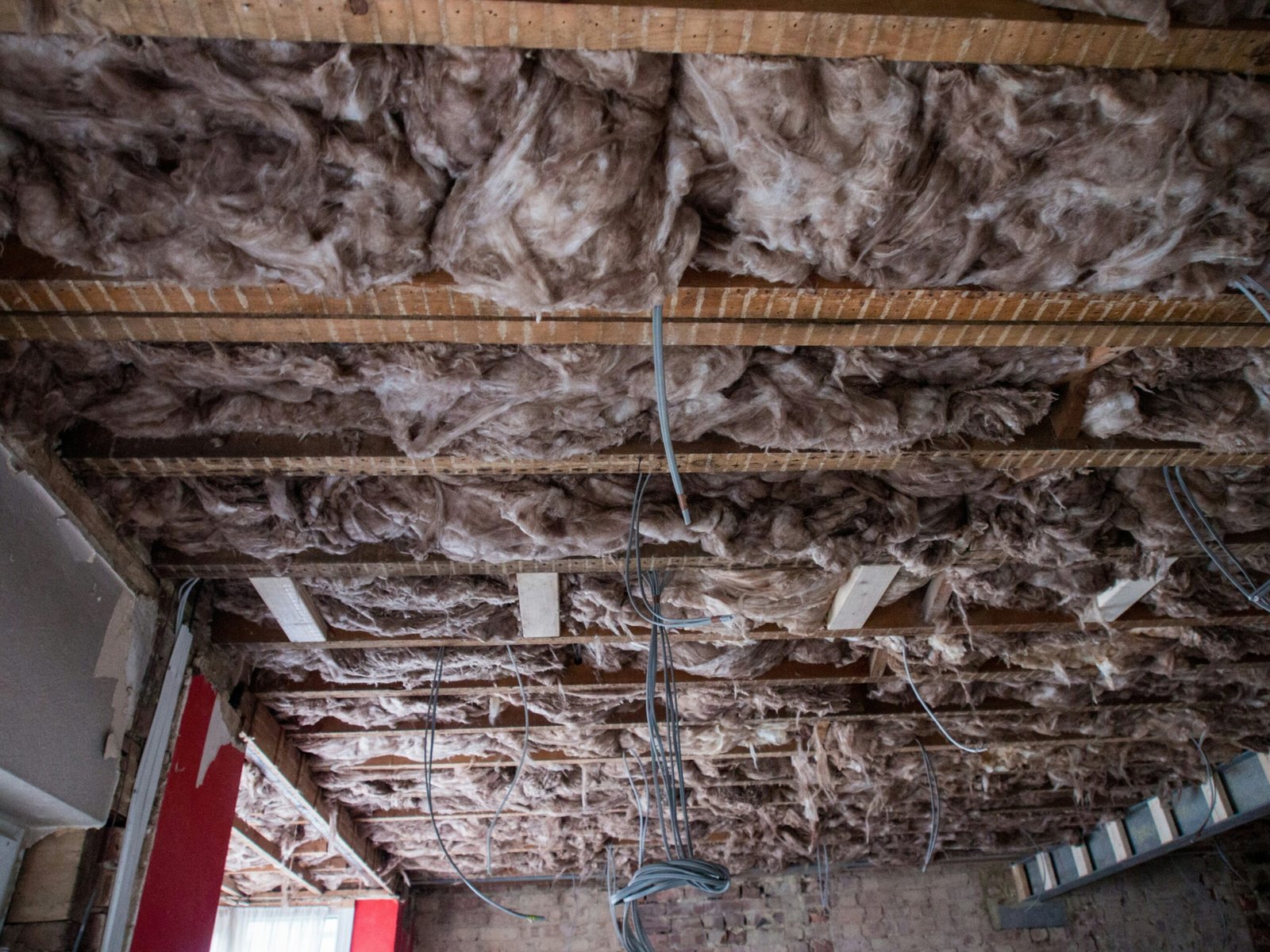
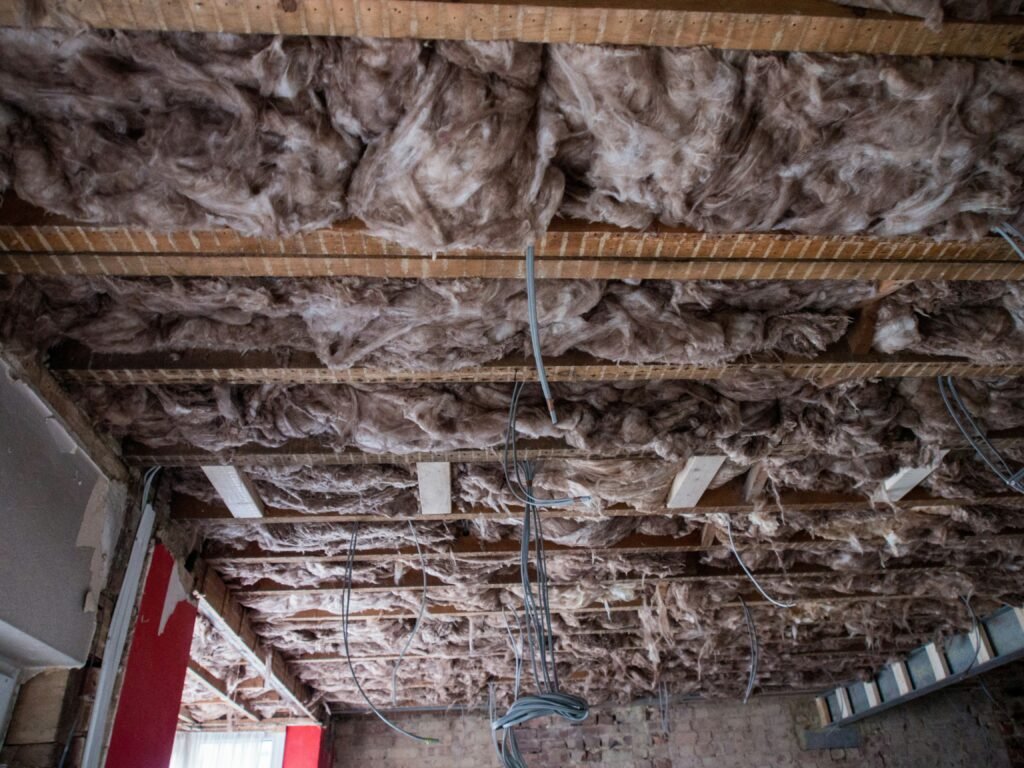
Another significant factor affecting heat retention is the home’s insulation. Poor or inadequate insulation in attics, walls, and crawlspaces allows heat to escape easily. Upgrading insulation materials or adding layers can effectively curb heat loss, maintaining a stable indoor temperature.
In conclusion, by understanding the areas in which heat commonly escapes—such as windows, doors, and insulation—homeowners can implement strategies to improve their home’s energy efficiency and keep the heating system working optimally. Making targeted improvements not only enhances comfort but also reduces heating costs during colder weather.
Insulating Your Home Effectively
Proper insulation is a key factor in maintaining a warm home during cold weather. One of the most effective strategies involves adding insulation to vital areas such as attics, walls, and basements. Each of these locations plays a significant role in preventing heat loss.
Attics are often the first place to consider for insulation. Heat naturally rises, making poorly insulated attics a major source of energy loss. Insulating the attic with materials such as fiberglass batts or spray foam can significantly reduce the amount of heat that escapes. A well-insulated attic can help keep your home cozy and lower your heating bills during cold snaps.
Walls are another critical area to address. Many older homes may lack adequate wall insulation. Options for insulating walls include adding fiberglass insulation within wall cavities or applying insulating paint. Moreover, if you live in a particularly cold climate, consider external wall insulation as a method to improve energy efficiency and maintain a comfortable temperature indoors.
Basements can also be susceptible to heat loss, especially if they are unheated. Insulating basement walls with rigid foam board or spray foam can create a barrier against cold air, maintaining warmth throughout the home. Homeowners should also consider insulating the floor above the basement, as this can further enhance comfort in living spaces.
If you are considering DIY insulation projects, be sure to use proper safety equipment and follow manufacturer guidelines for installation. However, there are instances where consulting a professional is advisable, especially if your home has unique characteristics or significant heat loss. A professional can offer tailored advice and ensure that the insulation is installed correctly and effectively, maximizing its benefits.
Sealing Drafts and Leaks
Maintaining a warm and comfortable indoor environment during a cold snap requires attention to detail, especially when it comes to sealing drafts and leaks around your home. Identifying these vulnerabilities can significantly reduce heat loss, improving both energy efficiency and overall comfort. Common areas where drafts can occur include windows, doors, and even electrical outlets.
One effective method to combat drafts is the application of weather stripping. This material serves as a barrier, preventing cold air from infiltrating while retaining the warmth generated within your home. Choose a weather stripping type that fits your specific needs; for example, adhesive-backed foam is ideal for sealing irregular gaps around windows, while V-shaped strips are excellent for exterior doors where they can compress, ensuring a snug fit when the door is closed.
Besides weather stripping, caulking is another essential tool for sealing leaks. Unlike weather stripping, which is removable, caulk creates a permanent seal, making it suitable for static areas such as windowsills and baseboards. It is vital to ensure that the surface is clean and dry before applying caulk to achieve a successful bond. Regular inspection of caulked areas can help prevent cracks that develop over time, which may allow drafts to form.
Furthermore, consider using door sweeps, which are strips placed along the bottom of doors to block drafts effectively. These can be purchased or easily made at home from materials such as fabric or rubber, often coming with adjustable features to ensure a customized fit. By combining these methods—weather stripping, caulking, and door sweeps—you can create a more heat-efficient environment throughout your home, ultimately leading to reduced heating costs and increased comfort during the colder months.
Utilizing Your Heating System Wisely
Efficient use of your existing heating system is paramount during colder months. One of the primary steps is setting the thermostat at an optimal temperature. Generally, the U.S. Department of Energy recommends setting your thermostat to 68°F (20°C) during the day and lowering it by a few degrees at night or when you are away. This simple adjustment can significantly decrease energy consumption while still keeping your home comfortably warm.
Regular maintenance of the heating system is equally essential. A well-maintained heating system operates more efficiently, which means that it uses less energy to provide warmth. This includes tasks such as replacing the air filters every one to three months, checking for leaks in ductwork, and scheduling annual professional inspections. A professional technician can identify potential issues that could lead to decreased performance or even breakdowns, ensuring your system runs smoothly throughout the cold season.
Moreover, employing zoning techniques can help target heat in the areas of your home that require it most. If your heating system allows for zoning, consider thermostat controls in individual rooms or zones, aiming to heat frequently used spaces more effectively. If your home does not have this capability, using space heaters strategically in the rooms you occupy can also be effective. It is important to ensure these heaters are used safely by adhering to any product-specific guidelines, such as maintaining a safe distance from flammable materials.
These methods not only promote energy efficiency but also improve comfort levels within your living space. By utilizing your heating system wisely, you can achieve substantial warmth while also being conscious of energy usage, thus contributing to a more sustainable lifestyle.
Smart Thermostats and Home Automation
In the current technologically advanced era, smart thermostats have emerged as crucial tools for managing home heating efficiently. These devices not only offer convenience but also serve to enhance energy efficiency, thereby providing homeowners with significant savings on their utility bills. At the core of smart thermostats lies their ability to learn from the user’s habits and preferences, thereby optimizing the heating schedule tailored to individual lifestyles.
The functionality of a smart thermostat begins with its ability to connect to Wi-Fi, allowing users to control their home temperature remotely via a mobile app. This level of automation ensures that homeowners can adjust their heating system from anywhere, thereby preventing unnecessary heating when the house is empty. Additionally, many models are equipped with advanced sensors that detect when a room is occupied, adjusting the temperature accordingly to maximize comfort while minimizing energy consumption.
One of the notable advantages of utilizing smart thermostats is their capacity to analyze usage data over time. Users receive insights into their heating patterns, empowering them to make informed decisions regarding energy usage. For instance, a smart thermostat can identify peak usage times and recommend adjustments, helping to lower costs without sacrificing comfort. Furthermore, many devices integrate seamlessly with existing home automation systems, facilitating comprehensive energy management strategies throughout the home.
In summary, incorporating smart thermostats into your home heating plan presents an innovative solution for maintaining a warm environment during cold snaps while ensuring energy efficiency. By leveraging smart technology, homeowners gain enhanced control over their heating systems, promoting both cost savings and a sustainable approach to energy consumption.
Layering Clothing and Using Blankets
Maintaining personal comfort during a cold snap is essential to feeling warm and cozy at home. One of the most effective methods to achieve this is through the practice of layering clothing. Layering involves wearing multiple garments, starting with a base layer made of moisture-wicking fabric that helps to keep the body dry. A thermal long-sleeve shirt, for example, can serve as an excellent base. Following this, an insulating layer, such as a fleece or wool sweater, provides critical warmth by trapping the heat generated by the body. Finally, an outer layer, typically a windproof or waterproof jacket, offers protection from the elements.
In addition to layering clothing, utilizing blankets can significantly enhance warmth. Thermal or insulated blankets are specifically designed to retain heat, making them ideal companions during colder months. These blankets can be easily draped over furniture or kept within reach while lounging, encouraging individuals to wrap themselves when the chill sets in. It is advised to use layered blankets as well, with a variety of materials like fleece, cotton, or wool, combined for maximum heat retention.
Another practical strategy is to use heated throws or electric blankets, which provide direct warmth and comfort. However, it’s prudent to use these items responsibly, ensuring they are turned off after a period to prevent potential hazards. Furthermore, incorporating cozy accessories such as socks, slippers, and scarves aids in retaining warmth, particularly for extremities that tend to lose heat quickly.
By effectively layering clothing and thoughtfully utilizing blankets and other warming accessories, individuals can substantially enhance their comfort levels during a cold snap, thereby reducing the overall need for heating appliances and keeping energy consumption in check.
Maximizing Heat Retention with Curtains and Rugs
As the cold snap sets in, keeping your home warm becomes a top priority. One effective strategy to maximize heat retention is the strategic use of curtains and rugs. Both of these elements not only enhance the aesthetic of your home but also serve critical functions in maintaining warmth.
Curtains play a vital role in insulating windows, which are significant sources of heat loss. Opting for thick, thermal-lined curtains can considerably reduce this loss. The materials used can make a substantial difference; fabrics such as velvet or heavy cotton provide superior insulation compared to lighter materials. It is advisable to choose curtains that are floor-length and are positioned close to the window to create a tighter seal against the cold drafts. For added efficiency, consider using curtain rods that allow the curtains to be drawn completely away from the window during the day to utilize natural sunlight, thus warming up the room.
Similarly, area rugs can greatly contribute to heat retention within your home. Hard flooring surfaces, like tile or hardwood, can become cold, drawing heat away from the space. By placing plush, thick rugs in key areas—such as under coffee tables or in living rooms—you can create a barrier that holds heat in and enhances comfort. Materials such as wool or synthetic fibers that mimic wool can provide excellent warmth underfoot. Additionally, layering smaller rugs over larger ones can increase insulation and add texture to your decor.
Incorporating heavy curtains and strategic rug placements are simple yet effective solutions that can significantly enhance heat retention in your home during the cold months. By investing in the right materials and styles, you can create a cozy environment that combats the harshness of winter temperatures.
Using Space Heaters Safely and Effectively
Space heaters can be an excellent supplemental heat source to keep your home warm during a cold snap. However, their effectiveness largely depends on how they are used. To ensure both safety and efficiency, it is critical to adhere to certain guidelines when using space heaters.
First and foremost, always opt for heaters that have been tested for safety by recognized organizations, such as Underwriters Laboratories (UL). Look for space heaters equipped with safety features such as automatic shut-off switches, which turn off the device if it overheats or tips over. This is crucial in preventing fire hazards and ensuring a safe heating experience.
Moreover, it is essential to place space heaters in appropriate locations. Keep them at least three feet away from combustible materials—such as curtains, furniture, and bedding—to reduce the risk of fires. Additionally, never use a space heater while you are sleeping or leave it unattended. If possible, position the heater in high-traffic areas to maximize heat distribution and comfort.
Energy consumption is another important aspect to consider. Space heaters can provide targeted heating in smaller areas, making them more energy-efficient than heating an entire home. When selecting a space heater, consider the size of the room you wish to heat. Portable heaters vary widely in wattage and efficiency. A heater rated between 750 to 1,500 watts is typically sufficient for most small to medium-sized rooms.
It is also wise to select heaters that are energy-efficient, such as those utilizing infrared or ceramic technology. These types can heat a room more quickly while consuming less energy, helping to lower overall heating costs during colder months.
Long-term Solutions for Winter Preparedness
As the winter season approaches, homeowners should consider long-term investments that can significantly enhance warmth and energy efficiency throughout their residences. One of the most impactful measures is upgrading insulation in the attic, walls, and floors. Proper insulation minimizes heat loss, helping maintain a consistent and comfortable indoor temperature while reducing heating costs.
Investing in energy-efficient windows is another vital strategy. Traditional windows often contribute to significant heat loss, but modern energy-efficient windows are designed to limit this issue. These windows typically feature double or triple glazing, which provides better thermal insulation, and specialized coatings that reflect heat back into the interiors. While the initial investment may be higher, the reduction in energy bills over time makes this option financially prudent.
A comprehensive home energy audit is an excellent way to identify specific areas where energy efficiency can be improved. Homeowners can hire professionals to assess insulation integrity, HVAC systems, and air leaks. Understanding where improvements can be made allows for targeted investments, ensuring the most efficient use of resources while enhancing overall home comfort.
Moreover, more discerning options such as installing smart thermostats can bring an additional layer of convenience and efficiency. These devices adjust heating levels based on the homeowner’s habits, allowing for significant energy savings by optimizing heating only when necessary. Investing in renewable energy sources, such as solar panels, can also provide long-term savings and further contribute to reducing overall energy needs.
In conclusion, by investing in insulation upgrades, energy-efficient windows, conducting home energy audits, and integrating advanced technology, homeowners can effectively prepare their homes for winter. Such long-term solutions not only provide immediate warmth during a cold snap but also offer sustained benefits year-round in terms of energy savings and enhanced comfort.