
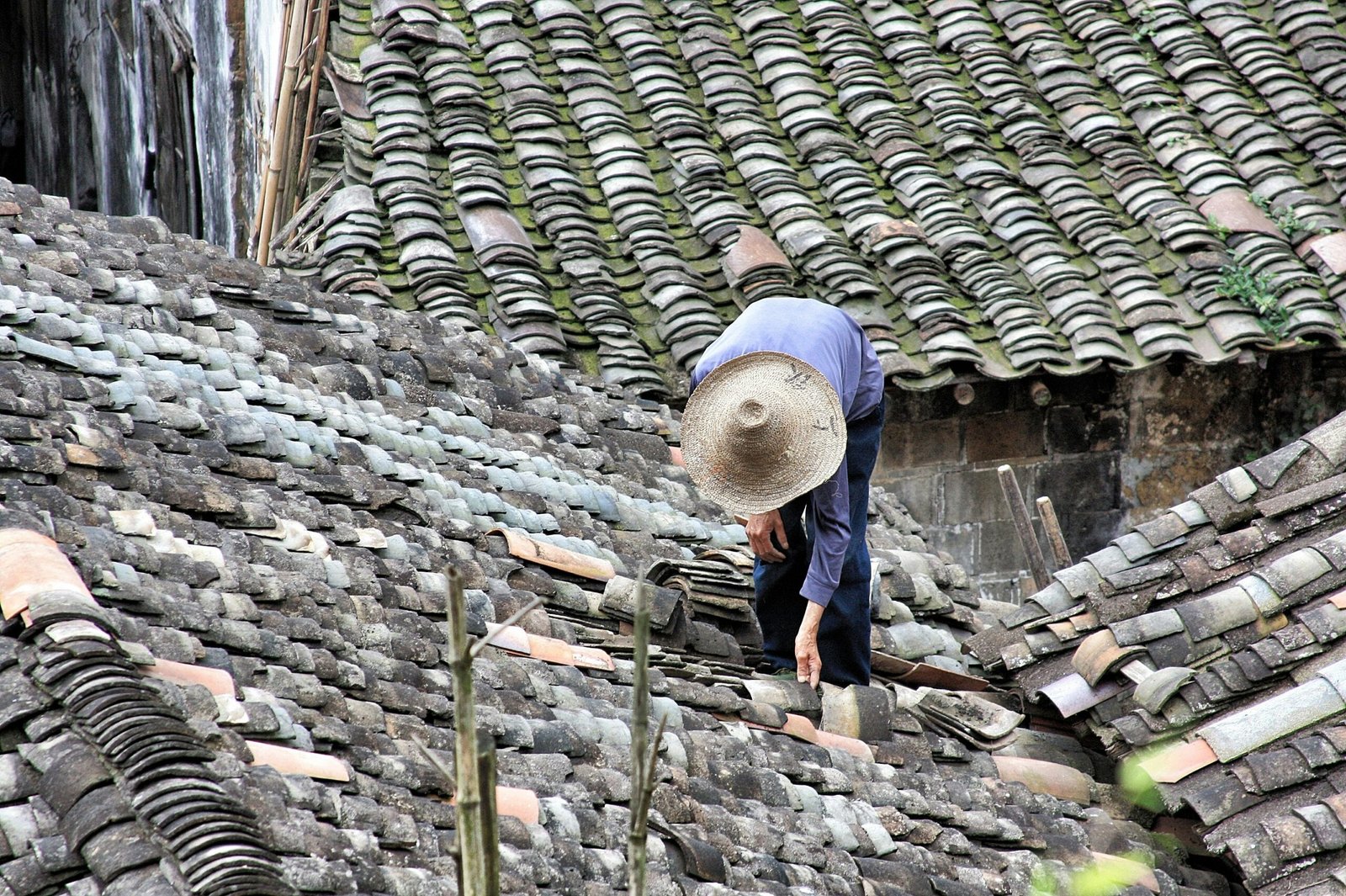
Visible Damage: The First Sign of Roof Trouble
Roof maintenance is crucial to safeguarding your home, especially as winter approaches. One of the most conspicuous indicators of roof damage is the presence of missing shingles. Shingles play a vital role in protecting your roof from the elements, and if they are missing, it exposes the underlying layers to potential water seepage, leading to more serious issues down the line.
In addition to missing shingles, curling or buckling shingles represent another key sign that your roof may need replacement. These deformities often occur due to aging materials or prolonged exposure to severe weather conditions. When shingles become curled, they lose their ability to protect your roof effectively, which can lead to leaks during heavy snow or rain.
Another area to examine closely is the condition of the flashings and vents. Significant wear and tear around these components can compromise their function, allowing water to penetrate your home. Flashings should fit snugly against joints and protrusions; if you observe gaps or damage, this may indicate the need for roof repair or, in some cases, a full replacement.
Regularly inspecting your roof from both the ground and up close is essential to detect these issues early. Utilizing binoculars from a safe distance can help homeowners identify potential problems without necessarily climbing onto the roof. However, a thorough examination should be done at least once a year, preferably before any significant weather begins, to ensure your roof remains in good condition.
Being proactive about roof inspection and maintenance can save you from costly repairs or even full roof replacements later on. Timely identification of visible damage allows homeowners to address issues before they escalate into major complications.
Leaks and Water Damage Inside Your Home
As winter approaches, ensuring your roof is in optimal condition becomes imperative. Homeowners must be vigilant for signs of leaks and water damage, as these issues can indicate a compromised roofing structure that may struggle to support the weight of heavy snowfall. One of the most evident indicators of potential roof failure is the presence of water stains on ceilings and walls. These stains often manifest as brown or yellow patches, suggesting that water has infiltrated the home. It is essential to investigate these blemishes thoroughly to determine if they correlate with any roof leaks.
In addition to visible water stains, mold and mildew growth can serve as an alert to underlying roof problems. The presence of these fungi inside your home signifies that moisture is trapped in areas where it should not be, often due to a leaky or damaged roof. Mold growth can not only damage your home’s interior but also pose health risks to occupants, especially those with allergies or respiratory issues. Therefore, maintaining good indoor air quality is equally important as ensuring your roof is adequately functional.
Furthermore, peeling paint around windows or along the interior walls can be another sign of moisture intrusion related to roofing issues. Excessive peeling or bubbling paint indicates that water is seeping into the materials, potentially due to compromised roofing integrity. Addressing these issues early can prevent escalating repair costs and protect your home from further interior damage. As winter approaches, it is crucial to assess any signs of leaks or water damage promptly. If these symptoms are present, it may be time to consider a roof replacement to ensure your home is safeguarded against the impending harsh weather conditions.
Age of Your Roof: Timing is Everything
The lifespan of a roof significantly varies depending on the materials used. Understanding the age of your roof is critical, especially as winter approaches, to prevent potential damage from snow accumulation and ice formation. Asphalt shingle roofs, commonly used for their cost-effectiveness, typically last between 15 to 30 years. However, their durability can be influenced by factors such as weather conditions and maintenance practices.
Metal roofs are known for their longevity, often surpassing 50 years. While they are generally more resistant to harsh weather, it’s essential to regularly inspect for any signs of rust or loose panels that could lead to vulnerabilities in winter weather. Clay and concrete tile roofs can also achieve impressive lifespans, commonly lasting over 50 years, but their performance is contingent upon proper installation and ongoing care.
Homeowners should assess their roof’s age through reviewing maintenance records or consulting with a professional. Even if no visible damage is detected, an aging roof may still pose risks, particularly under the weight of snow. The integrity of the roofing materials can degrade over time, creating the potential for leaks or structural failure when subjected to severe winter conditions.
It is advisable to keep a close eye on any changes in your roof’s condition. Signs of aging may include curling, missing shingles, or increased granule loss in asphalt roofing. If your roof is nearing the end of its expected lifespan, consider timely replacement to avoid the complications that winter snow can bring. Preparing your roof ahead of winter is crucial in ensuring your home remains safe and dry throughout the colder months.
4. Poor Energy Efficiency and Rising Utility Bills
Homeowners often overlook the crucial role a roof plays in maintaining energy efficiency within a dwelling. As roofs age or suffer from damage, their ability to insulate against the elements can significantly decrease, leading to various issues, especially during the colder months. One of the first signs that your roof may be failing is the presence of drafts originating from the roofline. If you notice cold air seeping into your home, particularly around the edges, it can be an indication of inadequate sealing or worn-out materials.
Additionally, cold spots in the attic are a noteworthy indication of poor thermal performance. These areas can manifest as localized gaps in insulation or compromised roofing materials that no longer trap heat efficiently. When heat escapes from specific locations, it results in uneven temperatures throughout the home, making certain rooms uncomfortably chilly.
As winter approaches, many homeowners begin to experience a notable increase in their utility bills. If this upward trend is becoming a trend, it could signal inefficiencies prompted by roof deterioration. A failing roof can allow heat to escape, forcing heating systems to work overtime to maintain a comfortable environment. Consequently, energy costs can escalate dramatically, impacting your overall budget.
Assessing your roof’s energy efficiency is therefore paramount, especially as winter looms. If you are experiencing conspicuous drafts, cold spots, or a spike in energy bills, it may be time to consider replacing your roof. Prioritizing the condition of your roofing can substantially enhance your home’s thermal performance, ensuring a cozy atmosphere while also offering savings on heating costs throughout the season.