

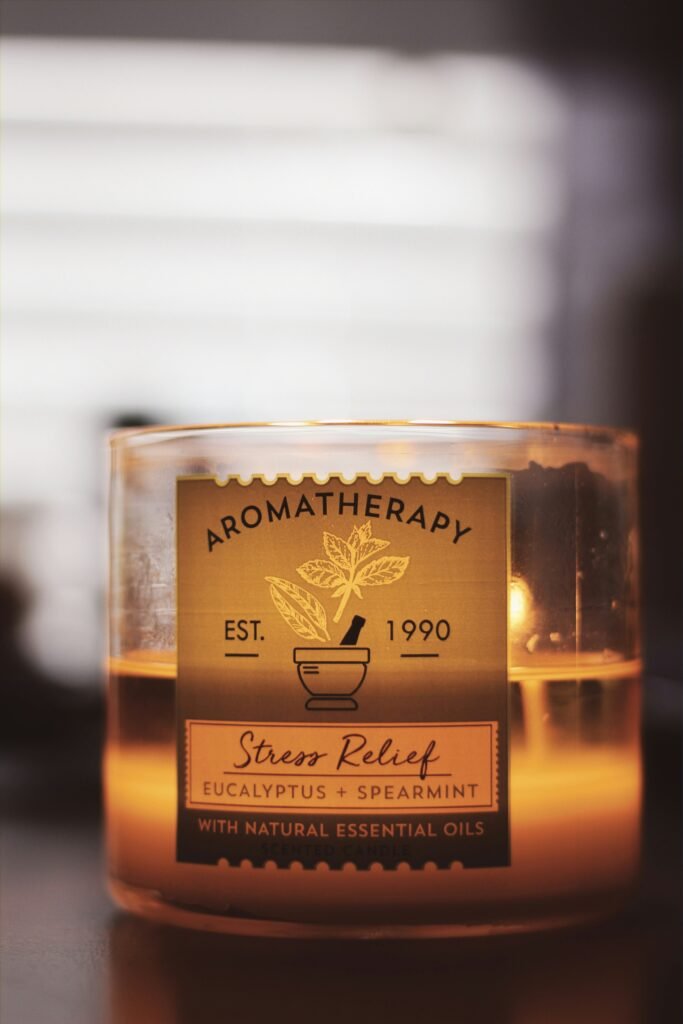
Understanding Post-Holiday Stress
The period following the holiday season can often bring about a unique set of challenges, collectively referred to as post-holiday stress. This emotional state is characterized by a sense of melancholy and heightened anxiety that arises from the contrast between the joyful celebrations of the holidays and the sudden return to everyday life. Understanding the causes behind this stress is crucial in finding effective ways to cope and recover.
One of the primary factors contributing to post-holiday stress is the high expectations that individuals often set for themselves and their experiences during the holiday season. From perfectly decorated homes to flawless family gatherings, the pressure to create a memorable holiday can lead to disappointment when reality does not meet these expectations. Moreover, feelings of inadequacy can emerge when one compares their experiences to those of others, especially in a highly socialized environment, leading to emotional turmoil.
Social pressures also play a significant role in post-holiday stress. Many individuals feel obligated to meet the demands of family, friends, and work obligations during this time. The rush of coordination and social interaction can be overwhelming, resulting in exhaustion once the celebrations culminate. Additionally, the financial strains that often accompany holiday spending can lead to considerable anxiety. Individuals may worry about their ability to manage their finances in the months following the holidays, further compounding feelings of stress and uncertainty.
Physical responses to post-holiday stress are also common, including fatigue, irritability, and even physical symptoms such as headaches or difficulty sleeping. Recognizing these signs is essential in addressing the root causes of stress and implementing strategies for recovery.
Practical Techniques for De-Stressing
Post-holiday stress can often feel overwhelming, but utilizing various practical techniques can significantly alleviate the pressures that accompany this time of year. One effective method to address this issue is through mindfulness practices. Engaging in mindfulness allows individuals to remain present, reducing anxiety caused by past events or future obligations. Techniques such as meditation or mindfulness-based stress reduction (MBSR) can enhance one’s ability to cope with stressors by fostering a deeper connection with the present moment.
Another essential technique is the incorporation of relaxation methods into daily routines. Simple practices, such as guided imagery and progressive muscle relaxation, can promote a state of calmness. These techniques encourage the body to release tension and rejuvenate the mind, paving the way for improved emotional well-being. Taking a few minutes each day to engage in relaxation exercises can create a profound impact over time.
Deep breathing exercises also play a vital role in stress reduction. When faced with stress, our breathing often becomes rapid and shallow. By deliberately practicing deep breathing, individuals can activate their body’s relaxation response. Techniques such as diaphragmatic breathing allow for a controlled intake of air, promoting a sense of tranquility and reducing feelings of anxiety.
In addition to mindfulness and relaxation techniques, physical activities such as yoga, walking, or other forms of exercise can dramatically enhance mental well-being. Engaging in physical activity releases endorphins, which are natural mood lifters. Regular exercise not only improves physical health but also serves as a constructive outlet for stress and anxiety, promoting a healthier mental state.
By adapting these practical techniques into everyday life, individuals can develop a robust framework for managing post-holiday stress effectively and maintaining a balanced mind.
Creating a Self-Care Routine
Developing a personalized self-care routine is essential for effectively managing stress, particularly after the often-chaotic holiday season. A self-care routine is designed to cater to your unique needs and stresses, providing a structured way to recharge and rejuvenate. To create a self-care routine, first, assess your individual requirements. Reflect on your daily activities and identify areas where you feel overwhelmed. Understanding what triggers your stress can help in crafting a comprehensive plan that alleviates these pressures.
Importantly, dedicating time to yourself is crucial. Schedule regular intervals during the week where you can indulge in activities that bring you joy and relaxation. This could be as simple as enjoying a cup of tea, reading a good book, or engaging in a hobby that inspires you. The key is to prioritize these moments, enabling yourself to recharge amidst the demands of daily life.
Incorporating healthy eating into your self-care routine is another vital aspect. A balanced diet promotes physical health and plays a significant role in mental well-being. Ensure your meals include a variety of nutrients that support both energy levels and mood stability. Furthermore, engaging in regular exercise is crucial; it not only helps in releasing tension but also improves overall health. Activities such as walking, yoga, or swimming can be very effective in managing stress levels.
Lastly, do not underestimate the importance of adequate sleep. Quality sleep is a fundamental component of self-care, influencing both physical and emotional health. Establish a consistent sleep schedule and create a restful environment to facilitate better sleep patterns. Together, these elements of self-care—setting aside time for yourself, pursuing hobbies, maintaining healthy eating, engaging in regular exercise, and ensuring enough sleep—will empower you to de-stress effectively after the holidays, paving the way for a more balanced and fulfilling life.
Seeking Professional Help
In the aftermath of the holidays, it is not uncommon for individuals to experience heightened stress levels. While there are numerous techniques and strategies for managing stress on one’s own, there are times when it becomes evident that professional assistance may be beneficial. Recognizing when to seek this support is a crucial step in effectively managing post-holiday stress and ensuring mental well-being.
Therapy and counseling are viable options for those who find themselves struggling to cope with emotions following the festive season. These services provide a safe and confidential environment where individuals can explore their feelings, identify sources of stress, and develop coping strategies tailored to their needs. Various types of therapy, including cognitive behavioral therapy (CBT), offer structured approaches to help individuals reframe negative thought patterns contributing to stress. Additionally, seeking the guidance of a licensed mental health professional can foster a deeper understanding of one’s emotional challenges.
In today’s digital age, seeking professional help has also become more accessible. Numerous teletherapy platforms enable individuals to connect with therapists from the comfort of their homes. This flexibility can ease the pressures associated with scheduling and commuting, making it more feasible for individuals to prioritize their mental health amidst busy lifestyles. Moreover, support groups can serve as a valuable resource, providing a sense of community and shared experience among those facing similar challenges.
Ultimately, recognizing the signs that indicate a need for professional help is essential. Signs may include persistent feelings of sadness, anxiety, overwhelming feelings of stress, or difficulty in managing daily tasks. If feelings of distress become unmanageable, reaching out to professionals is a proactive step towards recovery. Taking this step is a sign of strength and an important move towards regaining control over one’s mental health. With the right resources and support, individuals can navigate through post-holiday stress and emerge with renewed resilience.