
Choosing the Right Turkey
Selecting the perfect turkey is the cornerstone of a successful holiday feast. To ensure an enjoyable meal that satisfies every guest, it is crucial to consider several factors including size, type, and quality of the turkey.
When it comes to choosing the size of the turkey, a general guideline is to allocate about 1 to 1.5 pounds of turkey per person. This estimation will provide enough meat for your guests, with some leftovers. For example, a 12-pound turkey would be ideal for a gathering of 8 to 10 people. However, if your guests are hearty eaters or you wish for ample leftovers, opting for a larger turkey might be wise.
The next consideration is whether to choose a fresh or frozen turkey. Fresh turkeys are generally more flavorful and can be more costly, but they require careful planning, as they need to be cooked within a couple of days of purchase. Frozen turkeys, on the other hand, can be stored for a longer period but require ample time to defrost safely before cooking. Always ensure to plan ahead to avoid any last-minute complications.
Additionally, considering the type of turkey is essential. Free-range turkeys, which are allowed to roam and forage, tend to have a richer flavor and firmer texture compared to conventionally raised turkeys. However, they often come with a higher price tag. Conventionally raised turkeys, while more affordable, may have a different taste and texture due to their farming practices. Ultimately, your choice will depend on your budget and preference for flavor and sustainability.
Thawing Your Turkey Safely
Ensuring that your turkey is properly thawed is a crucial step in preparing a succulent and safe holiday meal. There are three primary methods to thaw a turkey: refrigerator thawing, cold water thawing, and microwave thawing. Each method has its own advantages and considerations.
The refrigerator thawing method is generally the safest and most recommended approach. To thaw your turkey in the refrigerator, plan for approximately 24 hours of thawing time for every four to five pounds of turkey. For example, a 12-pound turkey will require about three days to thaw fully. Make sure to place the turkey on a tray or in a pan to catch any juices that may escape during the thawing process, thus preventing cross-contamination with other foods in your refrigerator.
Another method is cold water thawing, which is faster but requires more attention. Submerge a securely wrapped turkey in cold water, changing the water every 30 minutes to maintain a safe temperature. Calculate about 30 minutes of thawing time per pound. This method can significantly speed up the thawing process; however, it is vital to cook the turkey immediately after it has thawed to ensure food safety.
Lastly, microwave thawing is available if you are pressed for time. Most microwaves have a specific setting for defrosting, which can vary in effectiveness. Always consult your microwave’s manual for guidelines on how long to defrost your turkey based on its weight, and be aware that some microwaves may not accommodate very large turkeys efficiently. After microwave thawing, the turkey must be cooked right away, as parts of it might become warm and start to cook during the thawing process.
Regardless of the method chosen, the importance of time management cannot be overstated. It is essential to ensure that your turkey is completely thawed before cooking, as any frozen parts can lead to uneven cooking and pose health risks. With these safe thawing practices in mind, you are one step closer to achieving a juicy and delicious turkey for your holiday feast.
Seasoning and Brining Tips
Seasoning and brining are crucial steps in preparing a turkey that not only enhances its flavor but also ensures a moist and tender texture. Brining is the process of soaking the turkey in a saltwater solution, which creates a flavorful barrier that locks in moisture during cooking. This method is beneficial for the overall taste and juiciness of the meat. You can choose between two primary brining methods: wet brining and dry brining.
Wet brining involves submerging the turkey in a solution of water, salt, sugar, and various spices. A basic wet brine recipe might include one cup of kosher salt and half a cup of sugar dissolved in a gallon of water, along with herbs like rosemary and thyme for added flavor. It is recommended to brine the turkey for at least 12 to 24 hours to achieve optimal results. This allows enough time for the salt to penetrate the meat, resulting in a succulently seasoned turkey.
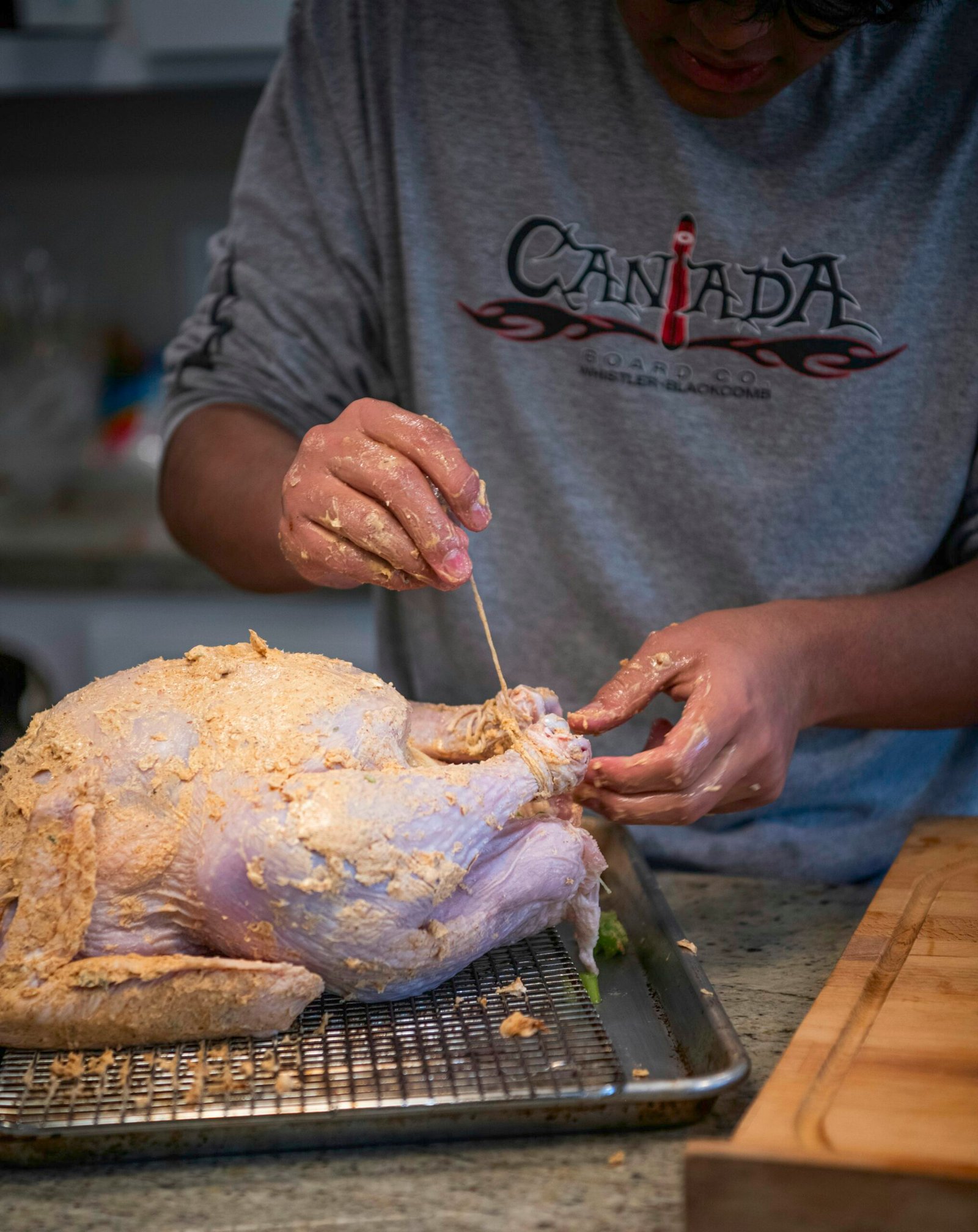
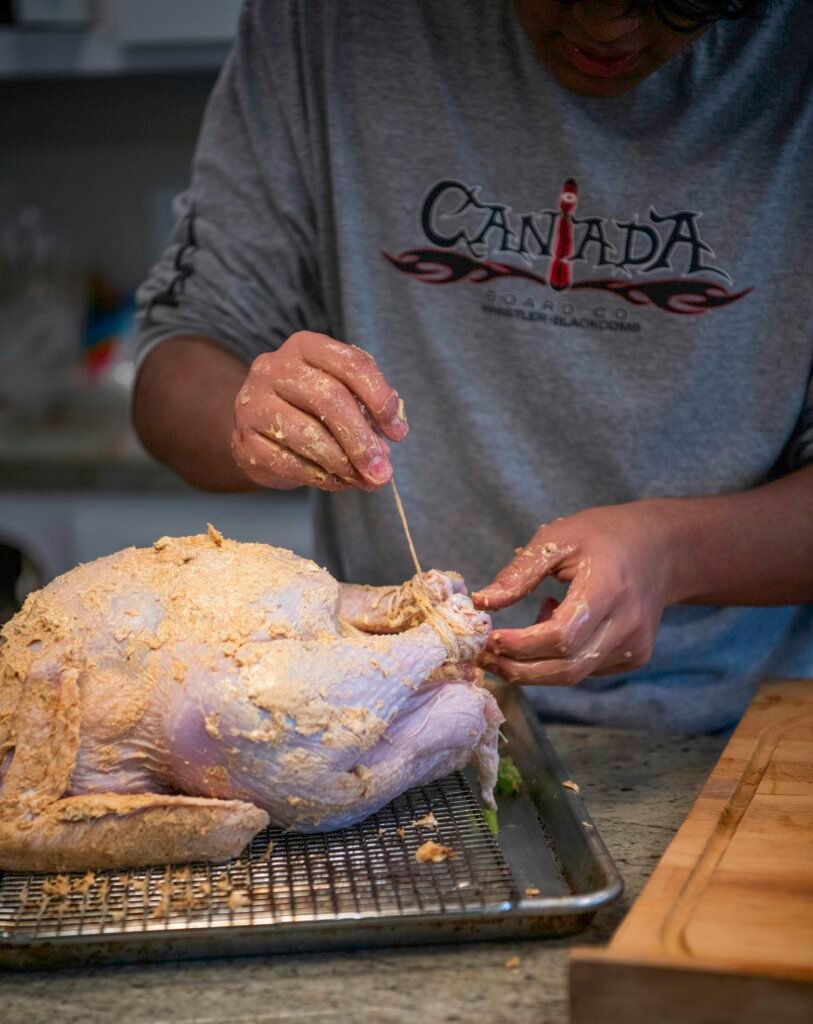
On the other hand, dry brining involves applying a mixture of salt and spices directly onto the turkey’s skin. A typical dry brine can include salt, black pepper, garlic powder, and paprika, rubbed generously over the turkey. The turkey should rest uncovered in the refrigerator for 24 to 48 hours. This method allows the turkey to self-basinate, drawing moisture back into the flesh while also enhancing the skin’s crispiness during cooking.
Regardless of the method you choose, brining and seasoning your turkey elevate its flavor profile. Experimenting with various herbs, spices, and ingredients in the brine or rub can personalize the dish to your family’s preferences, ensuring a memorable holiday meal.
Cooking Techniques for a Juicy Turkey
When it comes to preparing the perfect turkey, the cooking method employed is crucial for achieving a juicy and flavorful result. Three popular techniques include roasting, smoking, and deep-frying, each offering distinct advantages for elevating your holiday meal.
Roasting is the most traditional method, often resulting in a beautifully browned, crispy skin while maintaining moisture within the meat. To roast your turkey, preheat the oven to 325°F (163°C). For optimal cooking, allow approximately 13 to 15 minutes per pound of turkey if unstuffed, and 15 to 17 minutes per pound if stuffed. Utilize a meat thermometer, inserting it into the thickest part of the thigh, and ensure it registers at least 165°F (74°C) to guarantee safe consumption.
Smoking offers a unique flavor profile, imparting a rich, smoky essences that can be irresistible. The smoker should be maintained at a temperature of 225°F to 250°F (about 107°C to 121°C). Calculate about 30 to 40 minutes of cooking time per pound. This longer cooking duration contributes to achieving a tender turkey with distinct flavors. Remember to baste regularly for added moisture and to enhance the smoke absorption.
Deep-frying is another enticing option, producing a turkey with exceptionally crisp skin and succulent meat. It is imperative to maintain the oil temperature between 350°F and 375°F (about 177°C to 190°C). Cooking times typically vary from 3 to 5 minutes per pound. However, caution should be exercised during this method for both safety and to prevent oil spills. A fully cooked turkey should reach the same 165°F (74°C) mark at its thickest point.
Regardless of the method chosen, be sure to let the turkey rest for at least 20 minutes post-cooking. This resting period allows juices to redistribute, resulting in a more enjoyable and moist turkey for your holiday feast.