
Introduction to the Grand Egyptian Museum
The Grand Egyptian Museum (GEM) represents a monumental achievement in the preservation and presentation of Egypt’s cultural legacy. Situated near the iconic Giza Pyramids, this state-of-the-art facility is being developed with the ambitious vision to showcase the extensive wealth of Egypt’s archaeological treasures. With an area covering more than 480,000 square meters, the GEM aims to be the largest archaeological museum in the world, establishing itself as a crucial hub for education, tourism, and research.
Historically, the need for such a vast institution emerged from the increasing demand for a secure and dedicated space to exhibit Egypt’s rich heritage. The GEM is set to house over 100,000 artifacts, many of which have never been displayed before, including the treasures of Tutankhamun. This eclectic collection not only offers insights into ancient Egyptian civilization but also reflects the country’s ongoing commitment to preserving its cultural achievements.
The museum’s purpose extends beyond mere exhibition; it is envisioned as a cultural institution that fosters a deeper understanding of Egypt’s history among both locals and global visitors. Through various educational programs, exhibitions, and research opportunities, the GEM seeks to engage the public, inspiring curiosity about Egypt’s past and its broader impact on human civilization. With such a grand scale and vision, the GEM intends to redefine the museum experience, elevating it from a static display to an interactive exploration of history.
In the context of global culture, the Grand Egyptian Museum not only positions Egypt as a leader in archaeological stewardship but also signifies a new era of cultural heritage appreciation. Its strategic location next to the Pyramid of Giza enhances its significance as a site of learning, reverence, and discovery, firmly placing the GEM in the pantheon of world-class museums.
Features and Exhibits of the Museum
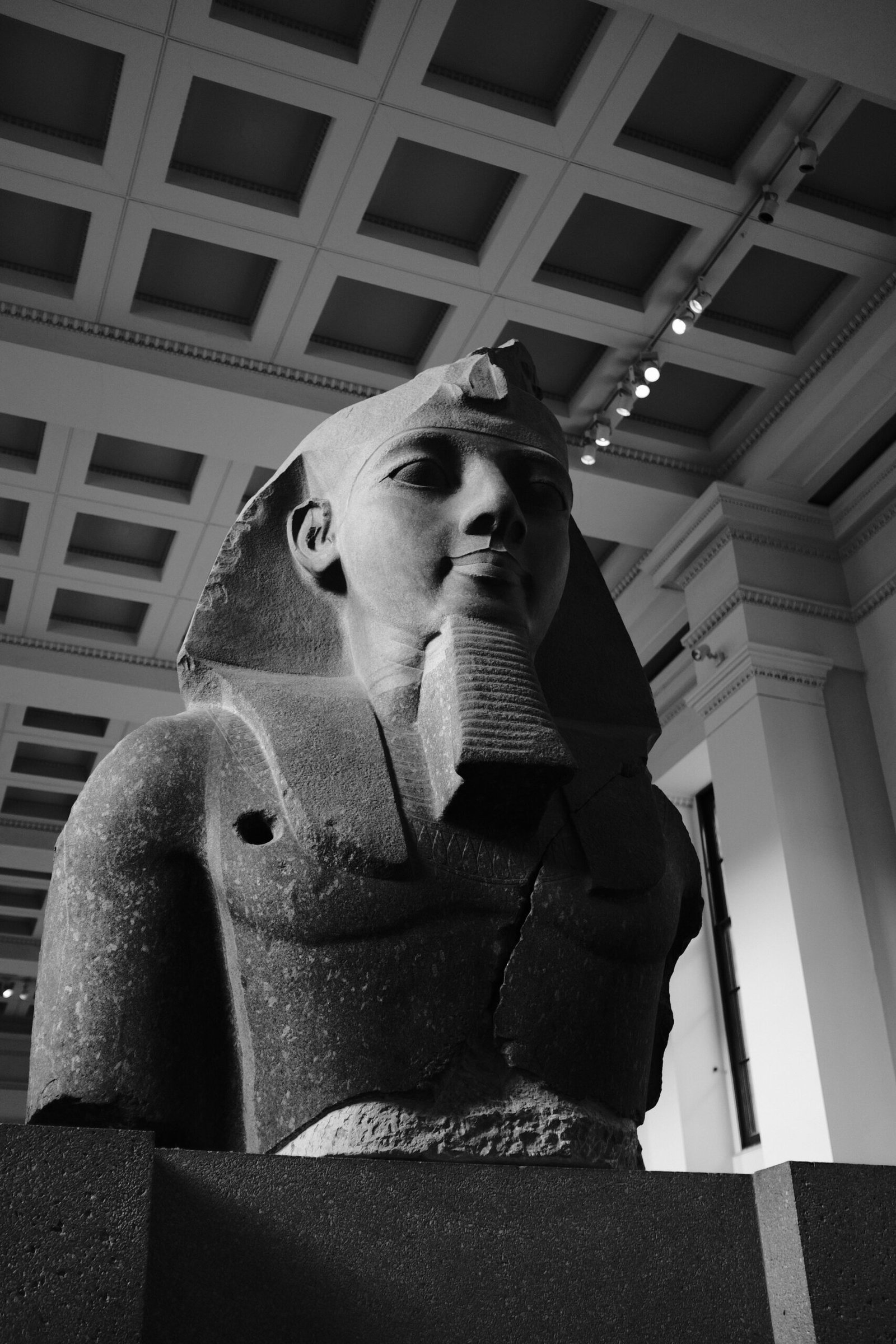
The Grand Egyptian Museum, situated near the Giza Pyramids, is poised to revolutionize the appreciation of Egyptian antiquities through its remarkable features and exhibits. As the largest archaeological museum in the world, it encompasses a staggering collection, including over 100,000 artifacts chronicling Egypt’s rich history. A focal point of the museum is undoubtedly the treasures of Tutankhamun, which are displayed in a dedicated exhibit, showcasing the artistry and craftsmanship of ancient Egyptian civilization.
Visitors to the museum will find several noteworthy features, including expansive gallery spaces and state-of-the-art technological integrations designed to enhance the visitor experience. Advanced multimedia presentations, augmented reality, and interactive elements are employed throughout the museum. These innovations not only provide educational insights into the historical context of the artifacts but also engage visitors, allowing them to connect with Egypt’s heritage in a unique way.
The layout of the exhibits ensures that each section is thoughtfully curated, inviting exploration and discovery. Visitors can stroll through thematic galleries, ranging from ancient Egyptian daily life to the splendor of royal tomb artifacts. The museum’s architecture reflects Egyptian motifs and modern design, with ample natural light illuminating the exhibits. This harmonious blend of form and function creates an inviting atmosphere for all guests, promoting an educational and memorable experience.
The Grand Egyptian Museum is not just a repository for artifacts; it is a vibrant cultural space that endeavors to bridge ancient history and contemporary understanding. With its extensive collections and innovative presentation methods, the museum promises to leave a lasting impression on all who pass through its doors, making it an essential destination for anyone interested in the grandeur of Egypt’s past.
Significance of the Reopening in a Post-Pandemic World
The reopening of the Grand Egyptian Museum (GEM) marks a pivotal moment in the journey toward revitalizing Egypt’s cultural landscape post-pandemic. As the world gradually recovers from the impacts of COVID-19, the significance of this reopening extends beyond the mere resumption of operations; it has the potential to transform both the tourism sector and the economy within Egypt. With a profound historical legacy, the GEM is anticipated to draw international visitors eager to engage with Egypt’s rich cultural heritage.
The museum’s reopening is particularly pertinent as it serves as a beacon of hope and resilience, signaling a return to normalcy. Tourists flocking to the GEM not only contribute to the local economy through entry fees and purchases but also foster a renewed interest in cultural exchanges. This phenomenon is essential for establishing strong global connections, as art and artifacts transcend borders and promote understanding among diverse communities.
Furthermore, the GEM’s role as a venue for future exhibitions and educational programs emphasizes its relevance in contemporary society. By hosting international exhibits and workshops, the museum can cultivate a dialogue between the past and present, encouraging visitors to engage with Egypt’s heritage in a meaningful way. Community engagement initiatives can also serve to educate and inspire local populations, integrating cultural appreciation into the fabric of everyday life.
Moreover, the anticipated increase in tourism is expected to support local businesses, thus contributing to economic recovery in surrounding areas. The impact of revitalizing the tourism sector, aided by the reopening of a landmark institution like the GEM, cannot be overstated. As the world transitions into a new phase, the Grand Egyptian Museum stands at the forefront of Egypt’s cultural renaissance, embodying hope, connectivity, and economic promise.
Visitor Information and Future Events
The Grand Egyptian Museum, a prominent new venue in Cairo, is designed to offer visitors an unparalleled glimpse into Egypt’s rich heritage. For those planning to visit, the museum will be open every day of the week from 9:00 AM to 5:00 PM, providing ample opportunity to explore its extensive collection of artifacts. Various ticket types will be available, including general admission tickets and special tickets for guided tours, ensuring that guests can find an option that best suits their preferences.
Tickets can be purchased online in advance to facilitate a smooth entry process, particularly during peak tourist seasons. Furthermore, guided tours are offered in multiple languages, allowing international visitors to gain deeper insights into the significance of the exhibits. These tours typically last around 90 minutes and cover highlights from the collection, including iconic pieces from the tomb of Tutankhamun.
Looking ahead, the Grand Egyptian Museum has an exciting calendar of events planned. These include temporary exhibitions that showcase specific artifacts and themes throughout Egypt’s history and interactive workshops designed for visitors of all ages. Highlighted among these future events is the anticipated exhibition titled “The Pharaohs’ Journey,” which explores the significance of pharaonic traditions. Additionally, educational programs for schools will be introduced to cultivate a deeper understanding of ancient Egyptian civilization among younger audiences.
Regular updates regarding events, exhibitions, and ticketing will be available via the museum’s official website and social media platforms. Visitors are encouraged to stay engaged with the museum through these channels to keep abreast of any new developments or special events that may arise. The Grand Egyptian Museum promises to be not just a place to view history but a dynamic cultural hub where heritage is celebrated and shared.