
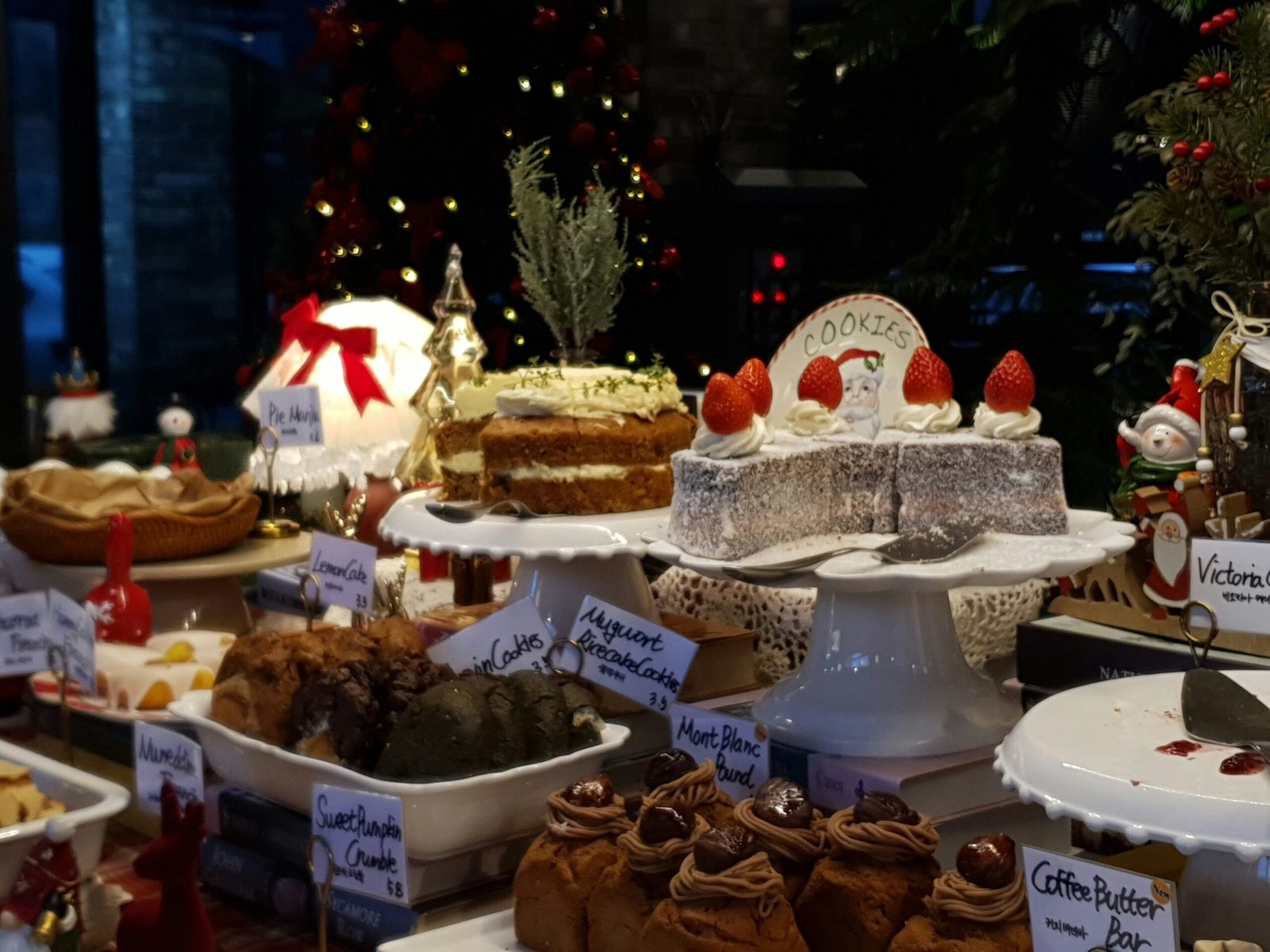
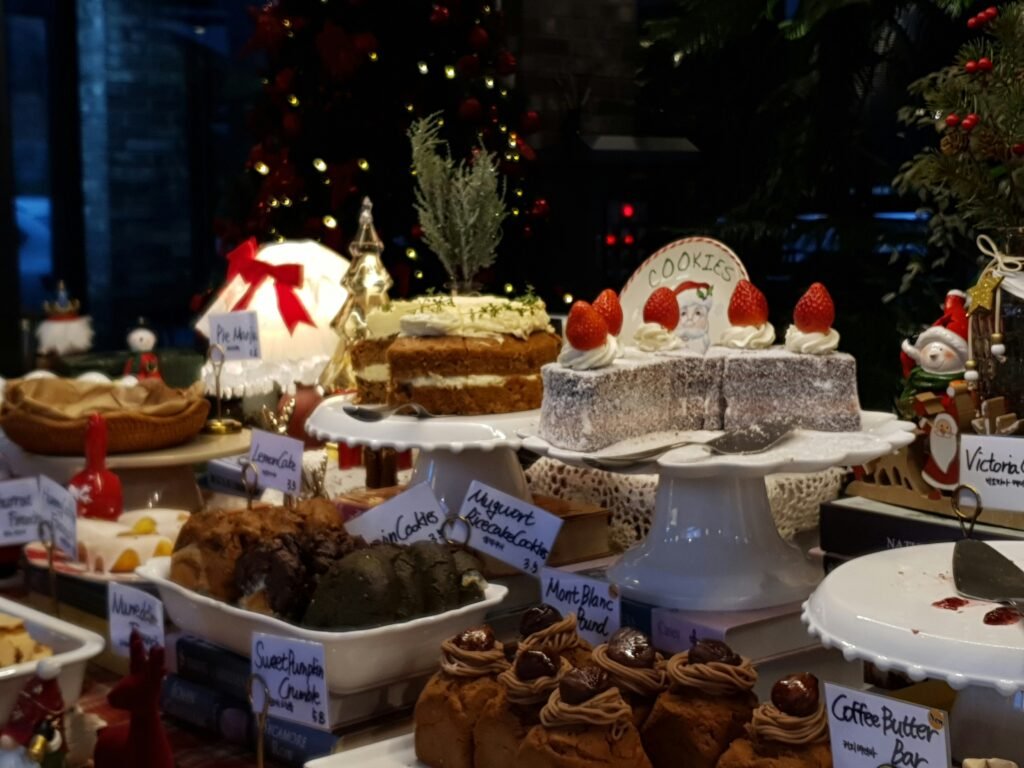
Introduction to Traditional Christmas Sweets
The world of Christmas is often characterized by enduring traditions, many of which revolve around the rich and inviting culinary delights that feature prominently during the holiday season. Among these, traditional Christmas sweets hold a significant place, symbolizing not only festive cheer but also cultural heritage and family bonding. Whether it is the scent of freshly baked cookies wafting through the house or the shared enjoyment of holiday confections around a table, these sweets contribute to the warm atmosphere of celebration.
During Christmas festivities, sweets serve as an expression of love and hospitality. Families often come together to prepare and enjoy various treats, passing down cherished recipes from generation to generation. This act of baking and sharing not only strengthens ties among family members but also fosters a sense of belonging and continuity in one’s cultural identity. It is not uncommon for each region to have its unique set of traditional sweets, reflecting local flavors and customs, creating a diverse tapestry of confections for people to discover and savor.
Moreover, the joyful anticipation of indulging in these delicacies enhances the overall holiday experience. From gingerbread houses adorned with colorful icing to rich fruitcakes filled with nuts and spices, these sweets evoke nostalgia and create lasting memories. The tradition of gifting homemade treats also plays a role in reinforcing community bonds and goodwill during this time of year. Consequently, traditional Christmas sweets are not merely culinary items; they embody the spirit of generosity and joy that the holiday season brings.
As we delve deeper into the specific traditional sweets associated with Christmas, it is essential to appreciate their significance and the rich history behind them. These confections not only satiate our sweet cravings but also connect us to the past and shape our present celebrations.
Gingerbread: A Spicy Classic
Gingerbread is a beloved traditional treat that has become synonymous with the Christmas season in many cultures. Its origins can be traced back to ancient civilizations, where ginger, as a spice, was prized for its medicinal properties as well as its flavor. Throughout history, the use of ginger in baking evolved, and by the Middle Ages, gingerbread had become a popular item in Europe, often enjoyed during festive celebrations.
During Christmas, gingerbread takes on various forms, most notably gingerbread cookies and gingerbread houses. The cookies are typically made using a mixture of ginger, cinnamon, nutmeg, and allspice, which provides their signature warm, spicy flavor. These cookies can be cut into whimsical shapes and decorated with icing and candies, making them both a delicious treat and a festive decoration.
Gingerbread houses, on the other hand, have become a cherished holiday tradition in many households. Constructed from sturdy, spiced gingerbread, these edible structures are assembled using royal icing and are often adorned with colorful candies, creating a delightful winter wonderland. The process of creating gingerbread houses encourages family bonding, with parents and children working together to design and build their unique masterpieces, embodying the festive spirit.
Globally, variations of gingerbread reflect the local taste and traditions. In Germany, for instance, Lebkuchen are often enjoyed, featuring a more complex blend of spices and nuts, while in Sweden, Gingersnap cookies are a staple during the holiday season. Traditional gingerbread recipes have been passed down through generations, allowing families to share their unique take on this cherished classic.
As gingerbread continues to play a pivotal role during Christmas celebrations, it not only brings joy to those who savor it but also fosters connections among family members and communities, making it an enduring symbol of the festive season.
Yule Log: A Chocolate Delight
The Yule Log, known in French as “bûche de Noël,” is a traditional dessert that traces its origins to ancient winter solstice celebrations. The custom of the Yule Log is deeply rooted in European traditions, where the burning of a large log in the fireplace symbolizes warmth, light, and the hope for rebirth as the days begin to lengthen after the solstice. As this festive period transitioned into Christmas celebrations, the Yule Log evolved into a delectable dessert whose presence on holiday tables has become indispensable.
Traditionally, a Yule Log is crafted from a light and airy sponge cake that is rolled and filled, often with rich cream or mousse. This cake is then covered with a beautifully rich chocolate frosting, mimicking the bark of a log. The careful preparation of the cake highlights the artistry involved; it requires a delicate balance between moisture and structure to ensure that it can be rolled without cracking. The choice of frosting plays a vital role in enhancing the festive appearance, with many cooks opting for textures and decorations that resemble moss or snow, further emphasizing the wintry atmosphere.
The symbolism of the Yule Log is significant within the context of Christmas festivities. Not only does it pay homage to the ancient traditions of wood-burning hearths, but it also represents abundance, family togetherness, and the celebration of life during the darkest time of the year. The Yule Log has become a staple dessert during Christmas dinners, enchanting both children and adults alike. Its rich flavors combined with its traditional backdrop make the Yule Log an essential part of the holiday culinary experience.
Panettone: The Italian Christmas Bread
Panettone, the iconic Italian Christmas bread, has its roots firmly planted in Milan, where it has been a centerpiece of festive celebrations for centuries. This sweet bread is renowned for its tall, dome-like shape and a soft, fluffy texture that is unlike any other Christmas treat. The traditional recipe includes a rich combination of flour, eggs, sugar, and butter, creating a delightful base that is further enhanced by the addition of candied fruits, raisins, and often a hint of citrus zest. The result is a sweet indulgence that captivates the palate with every slice.
What makes Panettone truly unique is not just its flavors but also the careful crafting process that takes several days. The dough is naturally leavened, allowing it to rise slowly, which contributes to its lightness and complex flavor profile. The aromatic notes of vanilla and citrus give an added layer of richness that enhances the overall experience of enjoying this festive bread. As families and friends gather during the holiday season, sharing a Panettone symbolizes unity and the spirit of giving.
In Italian tradition, Panettone is best served with a glass of sweet wine or alongside a warm beverage, allowing its flavors to shine. Some enjoy it toasted, served with a dollop of mascarpone cheese, while others may simply savor it plain, appreciating the delicate balance of sweetness and texture. This beloved festive sweet has not only captivated the hearts of Italians but also gained popularity across the globe, making it a must-try for anyone looking to revel in the Christmas spirit.
Stollen: A Slice of German Tradition
Stollen is a quintessential German Christmas bread that has become a staple during the festive season not only in Germany but worldwide. This rich, spiced bread is traditionally filled with marzipan, a sweet almond paste, mixed nuts, and various dried fruits, creating a harmonious blend of flavors that celebrates the spirit of Christmas. Its origins can be traced back to the 15th century in Germany, where it was first crafted in Dresden. Over the years, it has evolved while maintaining its significance in Christmas traditions.
The process of making stollen is an art that begins with a rich dough made from flour, yeast, butter, and milk. The dough is then gently kneaded to retain its delicate texture, followed by the incorporation of ingredients such as candied citrus peels, raisins, and currants. The crowning glory of stollen, however, is its marzipan filling, which adds a luxurious touch to this beloved bread. Once shaped into a loaf form, stollen is typically baked until golden brown and is generously dusted with powdered sugar, giving it a festive appearance and enhancing its sweetness.
Stollen holds a special place in German Christmas markets, where it is often displayed alongside other traditional treats. Families gather together to enjoy this delectable bread, often slicing pieces and sharing them with loved ones, showcasing its role in fostering community and togetherness during the holidays. Each bite of stollen serves as a reminder of not only the recipe passed down through generations but also the joyful spirit that permeates these cherished festive moments. Embracing this rich tradition can significantly enhance the Christmas experience, making stollen a must-try for anyone seeking to savor authentic German festivities.
Pecan Pie: An American Favorite
Pecan pie stands out as a quintessential dessert in American holiday traditions, particularly during Christmas. This beloved sweet treat is characterized by its rich, gooey filling made from a mixture of corn syrup, sugar, butter, and freshly harvested pecans. The combination creates a texture that is both creamy and crunchy, appealing to a wide range of taste preferences. While the classic pecan pie recipe remains popular, numerous regional variations exist, showcasing the versatility of this dish.
In the South, for example, pecan pie is often made with a splash of bourbon, adding a subtle depth of flavor that elevates the dessert. Others may integrate chocolate or even maple syrup, offering unique twists that celebrate personal or regional tastes. Regardless of the modifications, the core essence of pecan pie endures, embodying a sense of tradition and nostalgia that resonates with many families across the country.
The emotional ties to pecan pie often surface during family gatherings, where it is common for loved ones to share stories about their own cherished recipes or memories associated with the dish. The preparation and enjoyment of pecan pie often become a communal activity, symbolizing togetherness during the festive season. As families gather around the dinner table, this exquisite dessert embodies warmth, love, and the spirit of celebration.
With its roots deeply embedded in American culture, pecan pie continues to be more than simply a dessert; it represents a culinary heritage that many cherish. As the sweet aroma wafts through kitchen air, it becomes apparent that this delectable treat is a staple of holiday gatherings, making it an essential choice for anyone looking to create lasting memories during the Christmas season.
How to Enjoy These Sweets with Your Loved Ones
Christmas is a time for coming together, and what better way to foster connections than by sharing traditional sweets? There are myriad ways to enhance your holiday experience by incorporating these beloved delicacies. One popular approach is to host a dessert night, bringing together family and friends for an evening of indulgence. This festive gathering can feature a variety of traditional sweets, allowing everyone to sample different flavors and textures, creating a warm and inviting atmosphere.
Another idea is to make these sweets a central part of your holiday gifting traditions. Consider crafting beautifully packaged boxes filled with an assortment of treats, such as gingerbread cookies, marzipan, and fruitcake. These gifts, full of homemade love and attention, offer a personal touch that store-bought options lack. By sharing these sweets with friends and neighbors, you embody the spirit of generosity that characterizes the holiday season.
Furthermore, creating new traditions around traditional sweets can deepen familial bonds. For instance, gather loved ones for a baking day, where everyone contributes to making the sweets together. This not only allows you to pass down recipes and techniques but also fosters a sense of achievement and enjoyment that comes from creating something as a team. You can establish a designated day each year to bake and enjoy these treats, ensuring it becomes an anticipated occasion in your household.
Involving your loved ones in these activities not only enhances their appreciation for these traditional holiday sweets but also creates cherished memories. As you gather, share, and indulge, you will find that the joy of these sweets is amplified by the presence of those you hold dear.
The Sweet Taste of Christmas
As Christmas approaches, the air is filled with a sense of joy and anticipation, underscored by a rich tapestry of traditions that celebrate the spirit of togetherness. Central to these festive rituals is the enjoyment of traditional sweets, which play an essential role in creating lasting memories. Each region and culture boasts its own signature confections that contribute to the overall festive atmosphere, combining flavors and textures that resonate with the nostalgia of past celebrations.
The five traditional sweets discussed here—each with its distinct history and flavor profile—embody the essence of Christmas. These delectable desserts not only tantalize the taste buds, but also strengthen the bonds between family and friends as they gather to share and indulge in these cherished treats. The aromas wafting from the kitchen, the laughter of loved ones, and the delightful presentation of these sweets all converge to create a harmonious backdrop for holiday gatherings.
Incorporating these beloved traditional sweets into your Christmas celebrations can undoubtedly enhance the joyous ambiance. By embracing these culinary traditions, you invite a piece of cultural heritage into your home, fostering an environment rich with warmth and gratitude. Whether it is the spiced aroma of gingerbread or the rich sweetness of marzipan, these desserts are more than just food; they are symbols of love, unity, and the spirit of giving.
Ultimately, sharing these confections is an opportunity to create new memories, while honoring the past. So, gather your family, prepare these traditional sweets, and allow them to bring you closer together this festive season. As you bake, share, and enjoy, remember that the sweet taste of Christmas is not just about the treats themselves, but about the togetherness and joy they inspire.
Join the Conversation: Share Your Favorite Christmas Sweets
Christmas is a time for warmth, joy, and, of course, delicious sweets that bring families together. As we celebrate the festive season, we invite you to join the conversation and share your favorite Christmas sweets and traditions in the comments section below. Whether it’s a beloved family recipe that has been passed down through generations or a sweet treat that you discovered recently, your contributions can enrich this collective celebration of holiday cheer.
Do you have a special method of preparing gingerbread cookies, a secret ingredient in your fruitcake, or a cherished memory of making candy canes with a loved one? These sweet narratives not only highlight the culinary traditions surrounding this joyous occasion but also create a tapestry of shared experiences among readers. The act of sharing recipes and stories not only fosters community but also offers a sense of belonging during the festive season. We believe that the flavors of Christmas hold a special power to connect us all, and your stories can contribute greatly to this essence.
Moreover, by participating, you could inspire someone else to try a new recipe or revive an old tradition. Your input might just be the key to unlocking a new favorite Christmas sweet for another reader. As different cultures and families have unique ways of celebrating the holidays, the variety of sweets can be incredibly diverse. Share with us the innovative sweets that reflect your personal festive spirit or the classic treats that hold significant meaning for your family.
We encourage you to comment below and let’s make this a joyous exchange that celebrates the sweets we love. Allow your voice to be heard and, together, let’s create a delightful compilation of the most cherished Christmas sweets from our diverse communities. Happy sharing!