
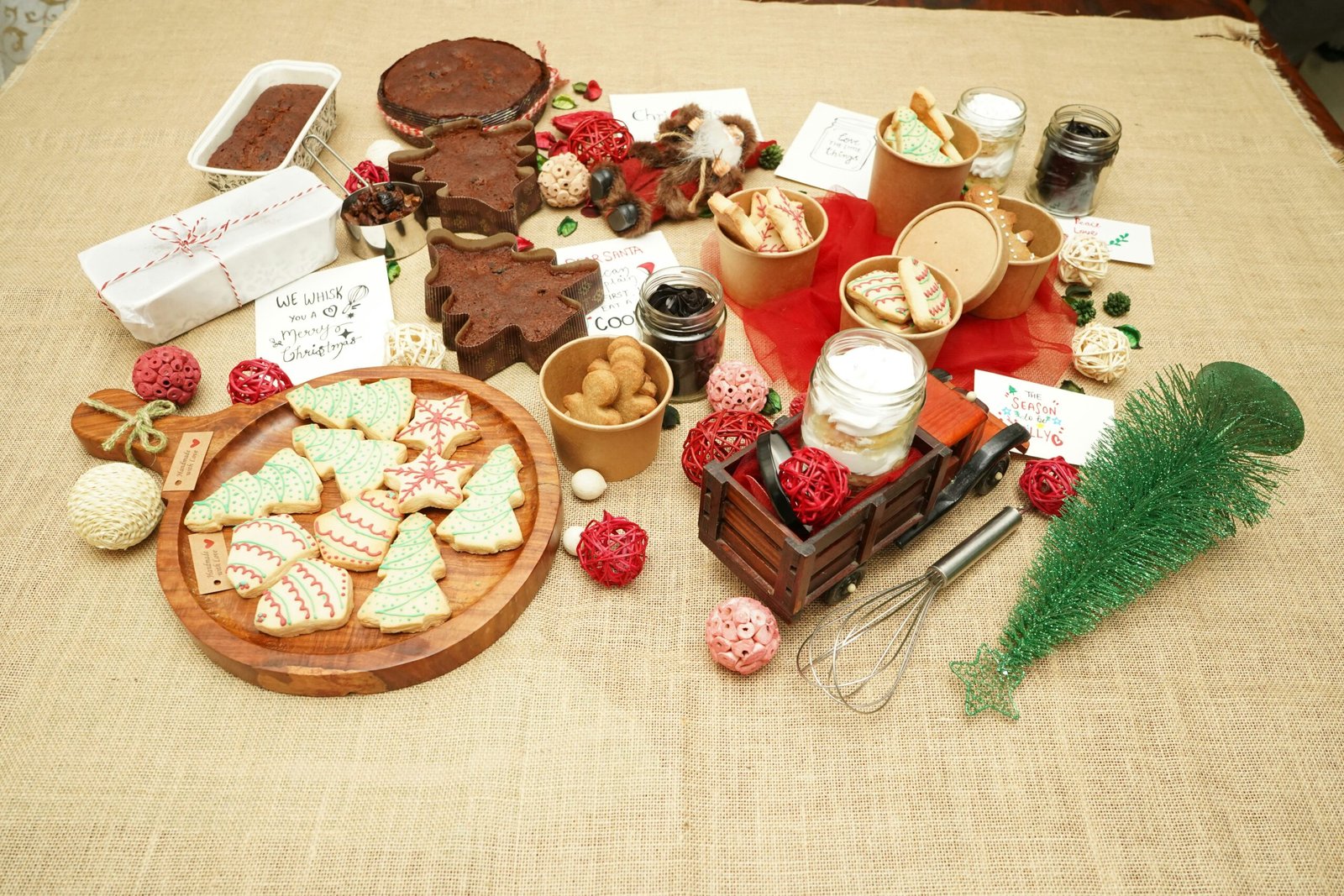
Traditional Christmas Delicacies
Christmas is a season rich with joy, celebration, and, of course, food. Around the world, traditional Christmas delicacies play a significant role in the festivities, varying from one culture to another yet sharing common themes of warmth and togetherness. One of the most iconic dishes, the roast turkey, is a staple in many Western countries, particularly in the United States. It symbolizes abundance and is often accompanied by stuffing, gravy, and cranberry sauce, illustrating a blend of flavors that delight the palate.
Another classic is the glazed ham, frequently served during the holiday season, particularly in European countries. Its sweet and savory profile, often enhanced by honey or maple glaze, captures the essence of festivity. The preparation of these main dishes is often a communal affair, bringing families together in kitchens across the globe.
For those with a sweet tooth, mince pies deserve mention. Originating from medieval England, these small pastries are filled with a mix of dried fruits and spices, representing the diverse cultures that have shaped the festive cuisine. Each family may have its recipe, and these pies often carry significant sentimental value, passed down through generations.
Furthermore, the iconic Christmas pudding, rich with fruits and spices, reminds many of centuries of culinary tradition. Traditionally, it is prepared on ‘stir-up Sunday,’ where families gather to make this dense dessert that is often served with a sprig of holly atop. The pudding’s history dates back to the 14th century, and its role in festive celebrations underscores the importance of heritage in holiday meals.
Each dish associated with Christmas carries cultural significance, linking individuals and families to their roots while evolving with modern tastes. The staples of Christmas feasts highlight the importance of shared meals, celebrating not just the flavors, but the togetherness they bring during this cherished time of the year.
Festive Treats and Sweets
The Christmas season is synonymous with joy, celebration, and an array of delightful sweets and treats that invoke the spirit of the holiday. Among the most cherished of these are gingerbread cookies, candy canes, Yule logs, and the classic fruitcake. Each of these treats carries with it a history and tradition that contributes to the annual festivities.
Gingerbread cookies, often elaborately decorated with icing, have become iconic during the holidays. The tradition of baking these spiced delights dates back centuries, and families might enjoy creating their own designs or constructing gingerbread houses. These activities not only enhance the festive spirit but also create special memories.
Candy canes, with their signature red and white stripes, are another staple of Christmas treats. Their peppermint flavor is a hallmark of the season, and they are often used as decorations on Christmas trees or in festive table settings. A simple recipe for homemade candy canes includes sugar, water, corn syrup, and a dash of peppermint extract, providing a fun candy project for the whole family.
The Yule log, traditionally a chocolate sponge cake rolled with a rich filling and decorated to resemble a log, has its roots in ancient customs where families would burn a real log to symbolize warmth and light during the darkest months. Today, this cake is a favorite dessert that embodies the spirit of togetherness and celebration.
Fruitcake, often viewed with mixed feelings, represents a practice of using preserved fruits, nuts, and spices, traditionally made well in advance of the holiday season. The rich flavors encapsulated within its dense structure make it a unique sweet that is often shared with loved ones as a symbol of goodwill.
As we explore festive treats from around the world, variations also emerge, highlighting unique cultural twists on classic sweets. In Italy, for example, Panettone is a beloved holiday bread, while in Mexico, Rosca de Reyes is enjoyed during Epiphany. Each region infuses its own distinctive flavors and traditions into their festive treats, enhancing the global tapestry of flavors that we associate with Christmas.
Heartwarming Beverages for the Holidays
The Christmas season invites a myriad of delightful traditions, and heartwarming beverages play a pivotal role in gathering friends and family. Among the most cherished drinks during this festive time are eggnog, mulled wine, hot chocolate, and an array of festive teas. Each of these beverages not only warms the body but also the spirit, contributing to the joy of the holiday celebrations.
Eggnog, a classic holiday drink, combines milk, cream, sugar, and eggs, often spiked with rum or bourbon. This creamy concoction has its roots dating back to medieval Britain, and it has since evolved into a staple of Christmas cheer in many households. For a simplified version, consider making a non-alcoholic eggnog by substituting spirits with cinnamon or nutmeg for added flavor.
Moving on to mulled wine, this beverage brings a wonderful aromatic experience, simmering together red wine, various spices, and fruits. The process of mulling wine dates back centuries and remains a popular choice for Christmas gatherings. A simple recipe involves heating red wine with orange peel, cinnamon sticks, and cloves until it reaches a comforting temperature. This drink not only complements festive meals but also enhances the ambiance of holiday festivities.
Hot chocolate, often enjoyed by children and adults alike, can be made from dark, milk, or even white chocolate. Adding peppermint or a hint of chili can provide delightful variations that cater to diverse palates. Finally, festive teas can range from spiced chai to herbal blends infused with cinnamon and cloves, perfect for those seeking a caffeine-free option. Each of these beverages not only warms the body but serves as a connection to holiday traditions, enriching the overall experience of the season.
Unique Global Christmas Foods to Try
During the Christmas season, various countries showcase their own delectable dishes, reflecting their unique culinary traditions. Exploring these varied Christmas foods offers an enlightening glimpse into the diversity and richness of cultural celebrations around the globe.
One standout dish that has gained international recognition is the Italian Panettone. This dome-shaped sweet bread, filled with candied fruits and raisins, is a beloved Italian festive delight. Originating from Milan, it symbolizes the joy of Christmas and is often enjoyed with a glass of sweet wine. The preparation of Panettone is a meticulous process, with a lengthy fermentation that results in its signature fluffy texture.
In Japan, a rather unconventional yet iconic Christmas meal is KFC, or Kentucky Fried Chicken. This custom began in the 1970s when KFC’s marketing strategy made it a popular choice for Japanese families looking to celebrate the holiday. Today, many people reserve their KFC feast weeks in advance, highlighting the unique blend of Western influences and local customs that characterize Japan’s Christmas spirit.
Additionally, the festive Mexican Tamales stand out as a quintessential holiday dish. Typically made from masa (corn dough) and filled with various ingredients such as meats, cheeses, and even sweet fruits, Tamales are often enjoyed during celebratory gatherings. The process of making these delightful bundles is usually a communal activity, bringing families and friends together in the spirit of collaboration and festivity.
These examples embody the diverse ways that Christmas is celebrated through food worldwide. Each dish carries with it not only flavors that tantalize the taste buds but also stories and cultural significance, emphasizing how inclusive culinary traditions can connect us during the festive season.